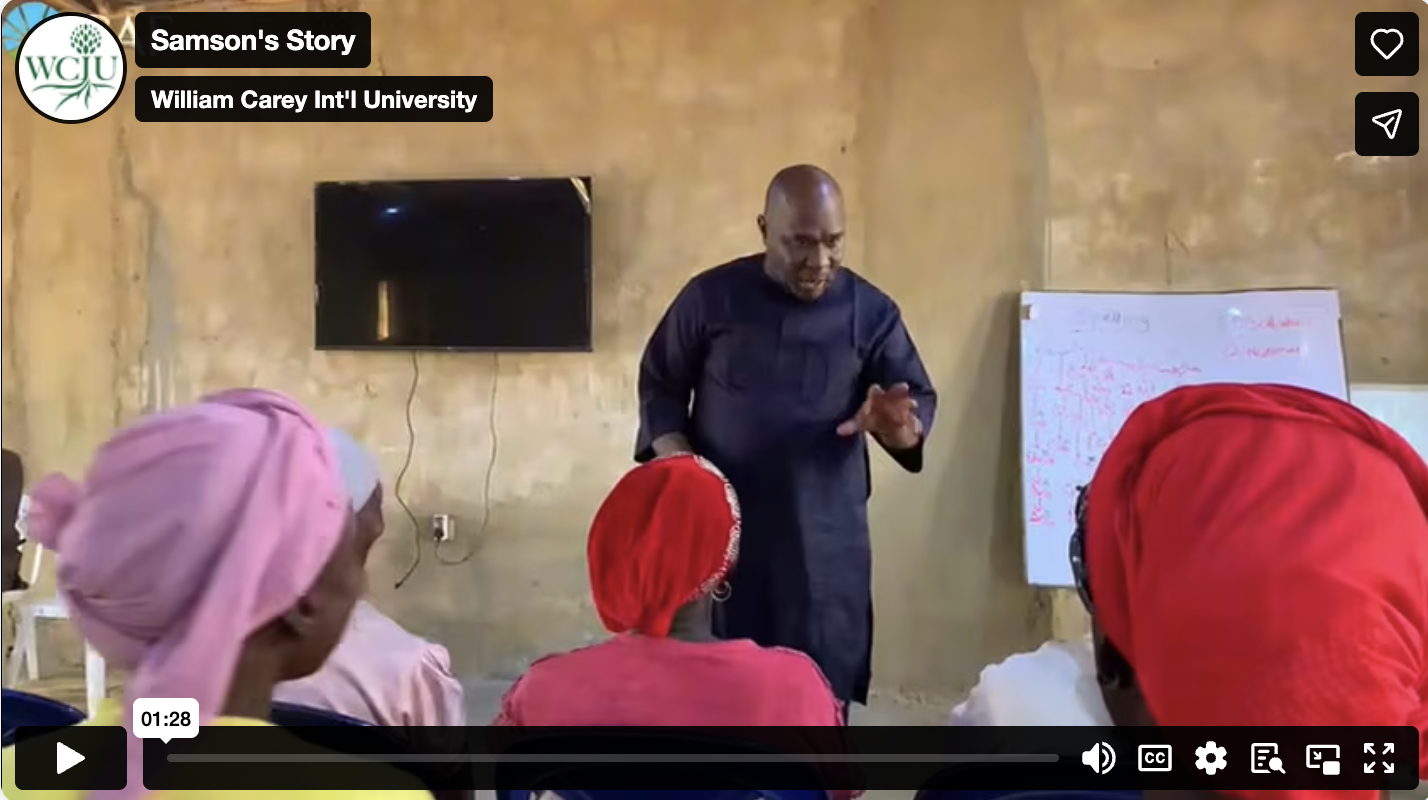
Faith That Grows Fruit: Hope for Widows in Nigeria
By Benjamin Mudahera, February 12th, 2026
Some stories refuse to leave you once you hear them. They linger in your thoughts, quietly challenging the way you understand leadership, faith, and women’s empowerment. This is one of those stories. It begins not with a government budget or a large NGO grant, but with a classroom assignment, a deep ache for suffering women, and a belief that vision must be lived now, not later.
Samson Bugama was a master’s student at William Carey International University when the seed of this project was planted. Today, he serves as the Commissioner for Agriculture and Natural Resources in Plateau State, Nigeria while pursuing his PhD. But long before the title, the office, and the authority, there was a burden that would not let him rest.
A Context Marked by Loss and Silence
To understand Samson’s project, one must first understand the reality of widows in parts of northern Nigeria. For nearly two decades, communities have lived under the shadow of violence linked to Boko Haram. Villages are attacked, men are killed, and households collapse overnight.
“In our society,” Samson explains, “the family economy is built around the man.” When a husband and breadwinner is killed, the consequences for women are devastating. Widows are often abandoned, left with six, seven, sometimes eight children, little education, and no sustainable source of income. Many return to subsistence farming, using crude tools, struggling to feed their families and keep their children in school.
One encounter in particular marked Samson deeply. He met a woman who had survived a brutal attack. She was heavily pregnant when insurgents killed her husband, cut off her hand, and injured her head with a machete. Against all odds, she survived. Later, Samson saw her carrying a baby on her back, balancing yams on her head, trying to sell produce with only one arm. That image stayed with him.
“The compassion for those kinds of people just rose in my heart,” he says. “And that became my concern.”
Her story echoes a truth Scripture has long declared:
“A father to the fatherless, a defender of widows, is God in his holy dwelling.” (Psalm 68:5, NIV)
When a Classroom Assignment Becomes a Calling
During one of his MA courses, Samson was required to design a practical, implementable project. While others explored theoretical ideas, his mind kept returning to the widows he knew
personally. He asked himself a question many of us avoid because it feels too overwhelming: What can actually make life better for them, not just today, but in the long run?
His answer was surprisingly simple.
“What if,” he thought, “I give a widow economic trees, plant them behind her house, and in three years they begin to yield?” With fruit to sell year after year, a woman could earn income without leaving her home or depending on unreliable aid.
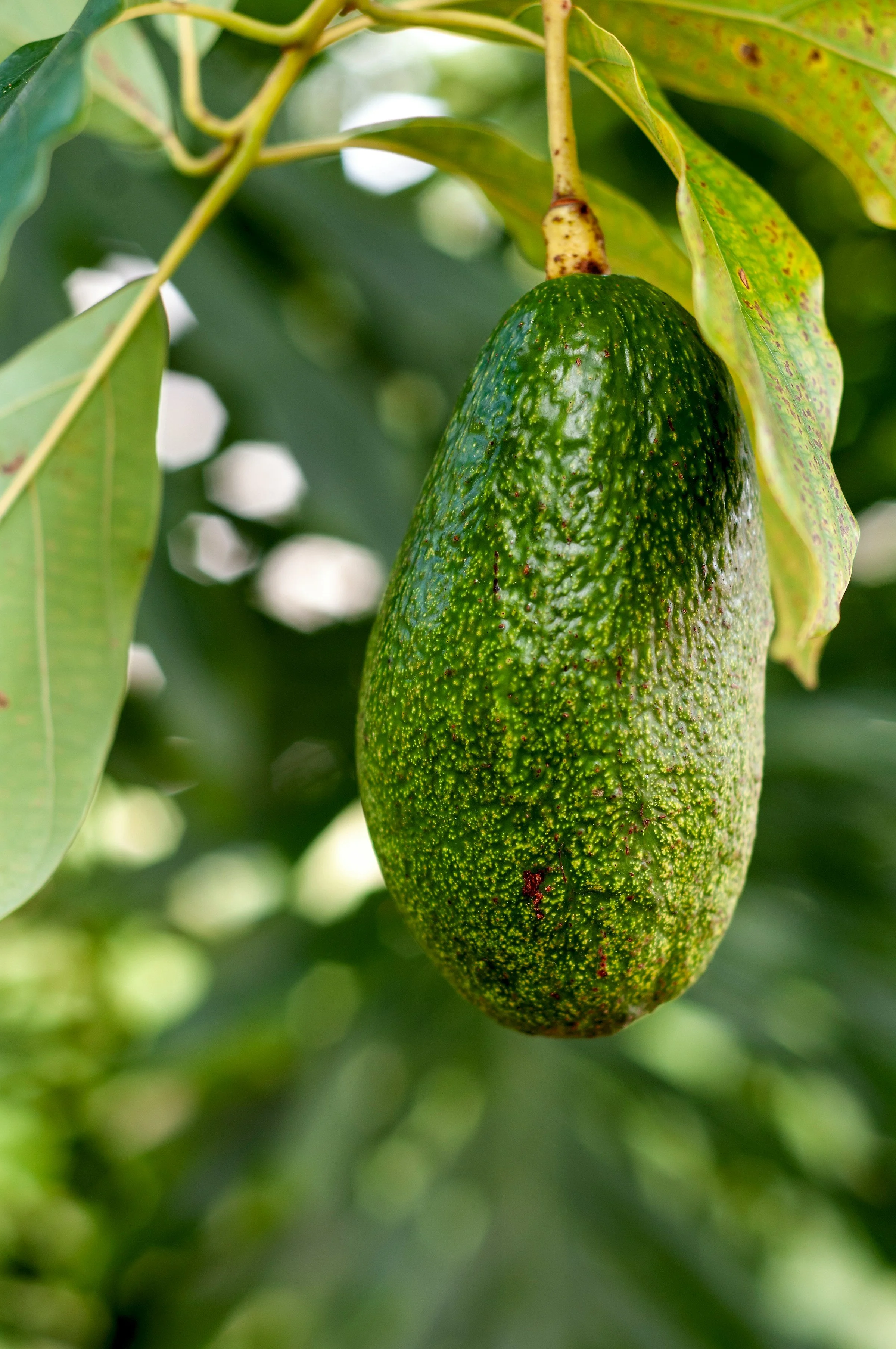
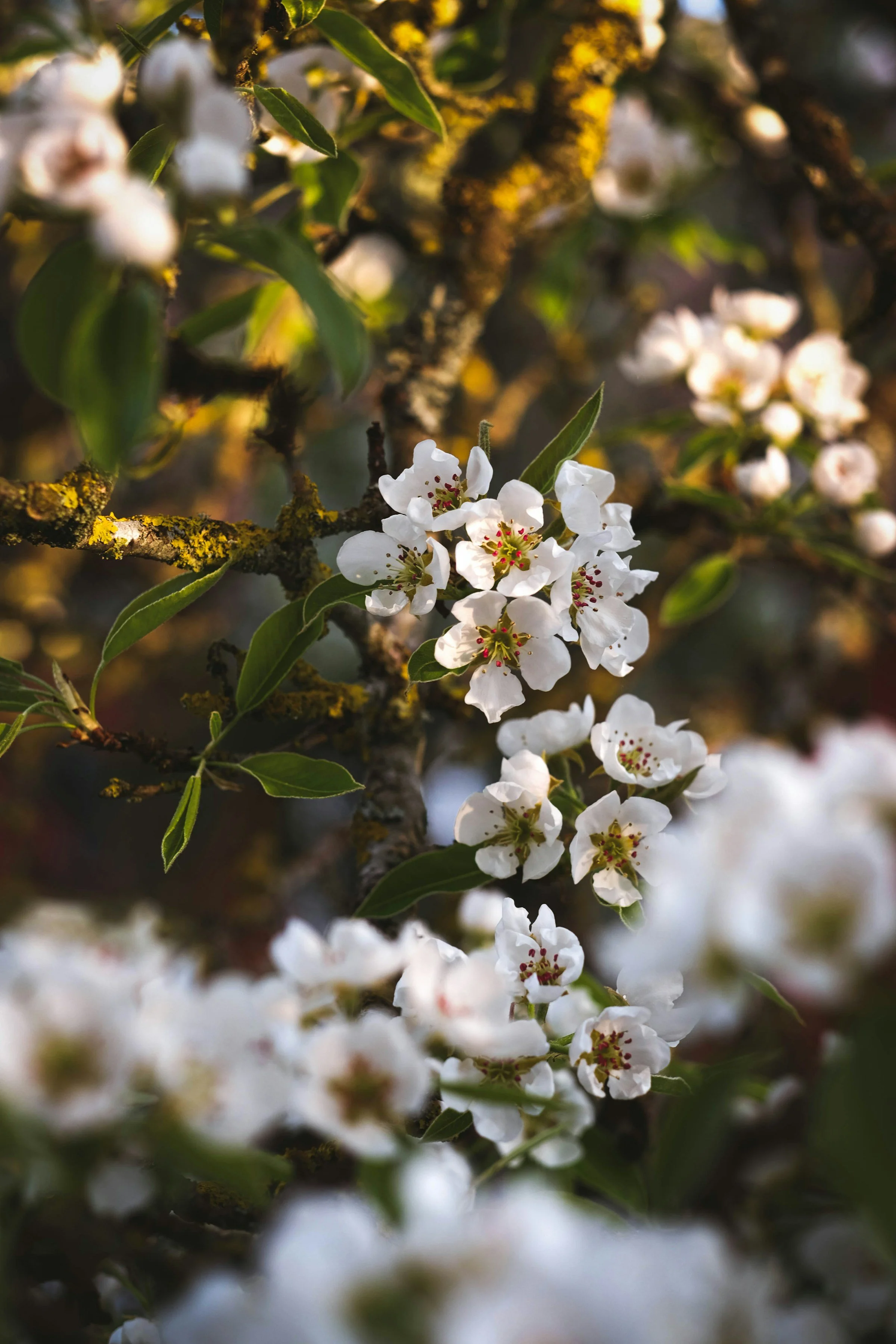
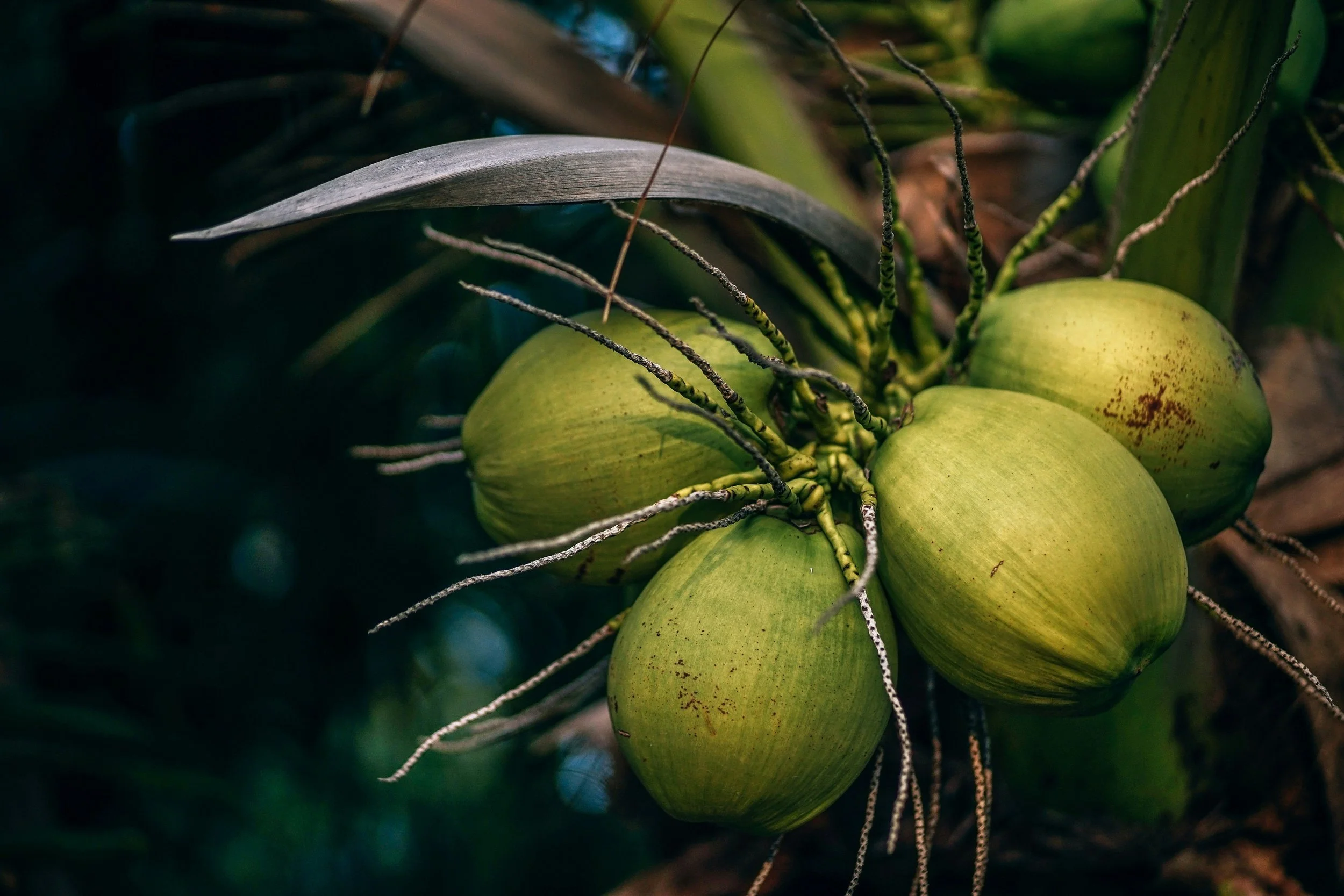
The project focused on coconut trees, pears, and avocados, selected based on local suitability. The vision was to reach 500 women. Each would be given 5-10 trees depending on differing levels of economic need. So far, about 70 widows have received trees, and the work continues as resources allow.
What stands out is not just the idea, but the posture behind it. Samson was not waiting for perfect conditions.
“I always believed that future vision needs a present expression,” he says. “So, for a vision not to die, you need to start doing something, no matter how small it is.”
His conviction aligns closely with the wisdom of Scripture:
“Do not despise these small beginnings, for the Lord rejoices to see the work begin.” (Zechariah 4:10, NIV)
Learning, Growing, and Letting Women Lead
Two years into the project, the trees are nearing maturity. Most will begin yielding fruit in their third year. Along the way, Samson and his team trained the women in basic agronomic practices. Their decision to work with women was intentional.
“The people we’re dealing with are women,” Samson notes, “and women can nurture.” He observed that the women carefully followed what they were taught, tending the trees with patience and consistency.
In many ways, these women resemble the biblical picture of resilience and enterprise:
“She considers a field and buys it; out of her earnings she plants a vineyard.” (Proverbs 31:16, NIV)
Yet the journey has not been without difficulties. Monitoring individual households proved challenging and resource-intensive. If he were starting over, Samson says he would organize the women into clusters rather than working with individuals.
“There is strength in numbers,” he explains. “There is accountability.” Clustering would allow shared resources, peer learning, and easier supervision. This insight is now shaping the next phase of the work.
Here, the story quietly invites reflection. How often do well-meaning projects struggle not because of lack of compassion, but because structure and community were overlooked? And how might collective approaches restore dignity rather than reinforce isolation?
Faithful in Little, Trusted with Much
When Samson first started, there was no institutional funding. The project was, quite literally, funded by faith.
“My wife and I committed what we had saved,” he shares. Friends joined in. Some sponsored ten trees, others five. Conversations became opportunities. “Can you help me get five trees?” he would ask. Slowly, the vision moved forward.
What makes the story even more compelling is what happened next. Samson was later appointed Commissioner for Agriculture and Natural Resources in Plateau State. Suddenly, the small project born in a classroom and sustained by personal sacrifice became a prototype for larger, state-supported initiatives.
Now, Samson is expanding into projects involving Jatropha trees for biofuel, dairy programs for women and youth, and livestock-sharing models where one woman’s success becomes another woman’s opportunity. A pregnant heifer given to one household can multiply benefits across many families.
This unfolding journey reflects a familiar biblical principle:
“Whoever can be trusted with very little can also be trusted with much.” (Luke 16:10, NIV)
A Different Platform, the Same Mission
Samson is clear that stepping into government did not change his sense of calling. It expanded it.
“I saw myself as still doing God’s mission,” he explains, “but from a different position.” The burden for vulnerable women did not disappear with the promotion. If anything, it increased. With greater resources came greater responsibility, greater accountability, and greater reach.
His story gently challenges the false divide many people feel between faith, academia, government, and grassroots action. It raises an uncomfortable but necessary reflection: if small acts reveal our true burdens, what might God entrust to us if we take those acts seriously now?
When Vision Is Planted Like a Tree
This is ultimately a story about planting. Not just trees, but ideas, courage, and faith in the soil of everyday life. It reminds us that women’s empowerment does not always begin with policy documents. Sometimes it begins with noticing suffering, refusing to look away, and daring to start.
Samson’s journey invites us to reconsider what we are waiting for. More funding? A better position? Permission? Or could it be that the future we hope for is already asking for expression today, in ways that feel small but faithful?
Because as this story shows, when vision takes root, it grows. And when it grows, many lives can often bear far more fruit.